
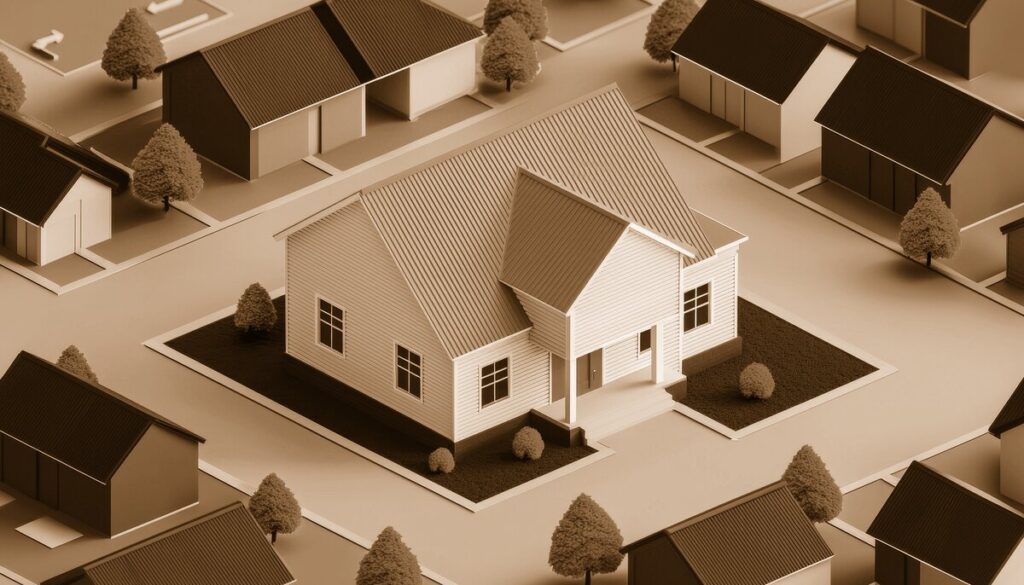
Discovering Rawlins – Hall: A Dallas Neighborhood with Deep Roots
Tucked between the bustling districts of Uptown and Oak Lawn, the Rawlins – Hall neighborhood quietly stands as one of Dallas’s most treasured historical enclaves. While newer developments and glossy high-rises have sprung up all around, Rawlins – Hall retains a unique character — one defined by its storied past, its stately architecture, and the sense of community that weaves residents together through generations.
Origins: How Rawlins – Hall Got Its Name
The history of Rawlins – Hall dates back to the late 19th century, when Dallas was growing rapidly following the arrival of the railroad. The neighborhood draws its name from two intersecting streets: Rawlins Street and Hall Street. These thoroughfares, laid out during Dallas’s early street grid expansion, became defining axes around which a vibrant residential area would flourish.
- Rawlins Street likely honors an early settler or local dignitary, as many Dallas streets do. The street’s name first appeared on city plats in the 1880s.
- Hall Street was named after William H. Hall, a businessman and civic leader instrumental in Dallas’s early urban planning.
As surrounding areas urbanized, Rawlins – Hall’s central location just north of downtown made it attractive to professionals, craftsmen, and families seeking proximity to the city’s burgeoning opportunities.
Key Historical Milestones
Over the decades, Rawlins – Hall has been witness to — and a participant in — Dallas’s transformative moments:
- Early 1900s: Victorian and Craftsman-style homes begin to populate Rawlins, Hall, and adjacent streets such as Hood and Knight. Many original brick sidewalks and mature trees from this era are still evident today.
- 1920s to 1940s: The neighborhood sees the construction of several stately apartment buildings and duplexes, some of which remain as iconic examples of period architecture. The automobile’s rise brings about corner service stations and the conversion of carriage houses.
- Civil Rights Era: Proximity to Oak Lawn and downtown made Rawlins – Hall a meeting ground for a wide range of people. The area’s churches and small businesses quietly supported pivotal social activism efforts.
- Late 20th Century: Rawlins – Hall is impacted by waves of urban revitalization and gentrification seen throughout Dallas. Longtime residents rally to preserve the character of the neighborhood, advocating for historic designations and zoning protections.
- Present Day: Rawlins – Hall stands as a harmonious blend of renovated homes, preserved buildings, and thoughtfully integrated new development, maintaining its cherished small-community feel amid rapid city growth.
Notable Landmarks and Architecture
Walking along the leafy streets of Rawlins – Hall is like traveling through a living museum of Dallas residential design. While the neighborhood is primarily residential, several landmarks and features mark its landscape:
- The Charles and Mary Hall Home: Located at the corner of Hall Street and Hood Street, this grand Queen Anne Victorian is one of the earliest remaining residences and has been lovingly restored.
- Rawlins Avenue Apartments: These classic brick garden apartments from the 1930s are a testament to Dallas’s embrace of elegant multi-family housing.
- Holy Trinity Catholic Church: While technically just outside Rawlins – Hall’s traditional borders, this church on Oak Lawn Avenue has long served neighborhood families, and its spire is visible from much of the area.
- Historic Streetlights and Brickwork: Throughout Rawlins – Hall, you’ll notice original iron streetlamps and preserved brick sidewalks along sections of Rawlins and Hall Streets, offering a glimpse into Dallas’s urban past.
Parks, Streets, and Community Spaces
Though compact in size, Rawlins – Hall offers cherished green spaces and gathering spots that foster connection:
- Reverchon Park: Just a stone’s throw away, Reverchon Park (entrance off Turtle Creek Blvd) is a beloved spot for picnics, jogging, and community events.
- Hall Street Pocket Park: A small but vibrant space near Hall Street, this parklet is a popular setting for neighbors to meet with their dogs or share in the shade of mature oaks.
- Knight Street’s Community Gardens: Along Knight Street, residents maintain a small but thriving community garden, reflecting the neighborhood’s eco-conscious spirit and penchant for neighborly collaboration.
Evolution of the Neighborhood
Rawlins – Hall has adeptly balanced change and preservation. Here’s how it has evolved through recent decades:
- Aging-in-Place: Many families have called the area home for generations, and it’s not uncommon to meet residents whose grandparents once lived here.
- Architectural Preservation: Local associations have fought hard for the protection of historical structures and streetscapes. As a result, rehabilitated homes often retain their ornate trim, wraparound porches, and original stained glass.
- Modern Sensibilities: Infill development and contemporary townhomes now sit comfortably alongside vintage cottages, attracting young professionals and artists drawn to both character and convenience.
- Cultural Influence: The neighborhood’s proximity to Oak Lawn’s vibrant nightlife and Uptown’s dining scene means residents enjoy the best of Dallas city life while maintaining a peaceful residential haven.
- Walkability and Connectivity: With pedestrian-friendly streets and easy access to downtown, Katy Trail, and major roadways like Maple Avenue and Cedar Springs Road, Rawlins – Hall has become a model of Dallas urban living.
What Makes Rawlins – Hall Special
Ask anyone who lives in Rawlins – Hall, and you’ll hear about the neighborhood’s warmth and inclusiveness. There’s a tradition of waving to passersby from the front porch, block parties that spill into the street, and a dedication to keeping the spirit of old Dallas alive. While its heritage is honored in every brick and garden, Rawlins – Hall’s enduring appeal lies in its community — a welcoming mix of old friends and new faces, all drawn to a neighborhood that manages to feel like home in the heart of the city.
Whether you’re exploring the leafy sidewalks for the first time or generations-deep in your connection to Dallas, Rawlins – Hall is a shining example of how tradition and progress can coexist, making it a Dallas neighborhood not just to observe, but to truly experience and cherish.